── WHY THE HOLY CITIES
Demand written into faith, not into a cycle.
01
Non-discretionary demand
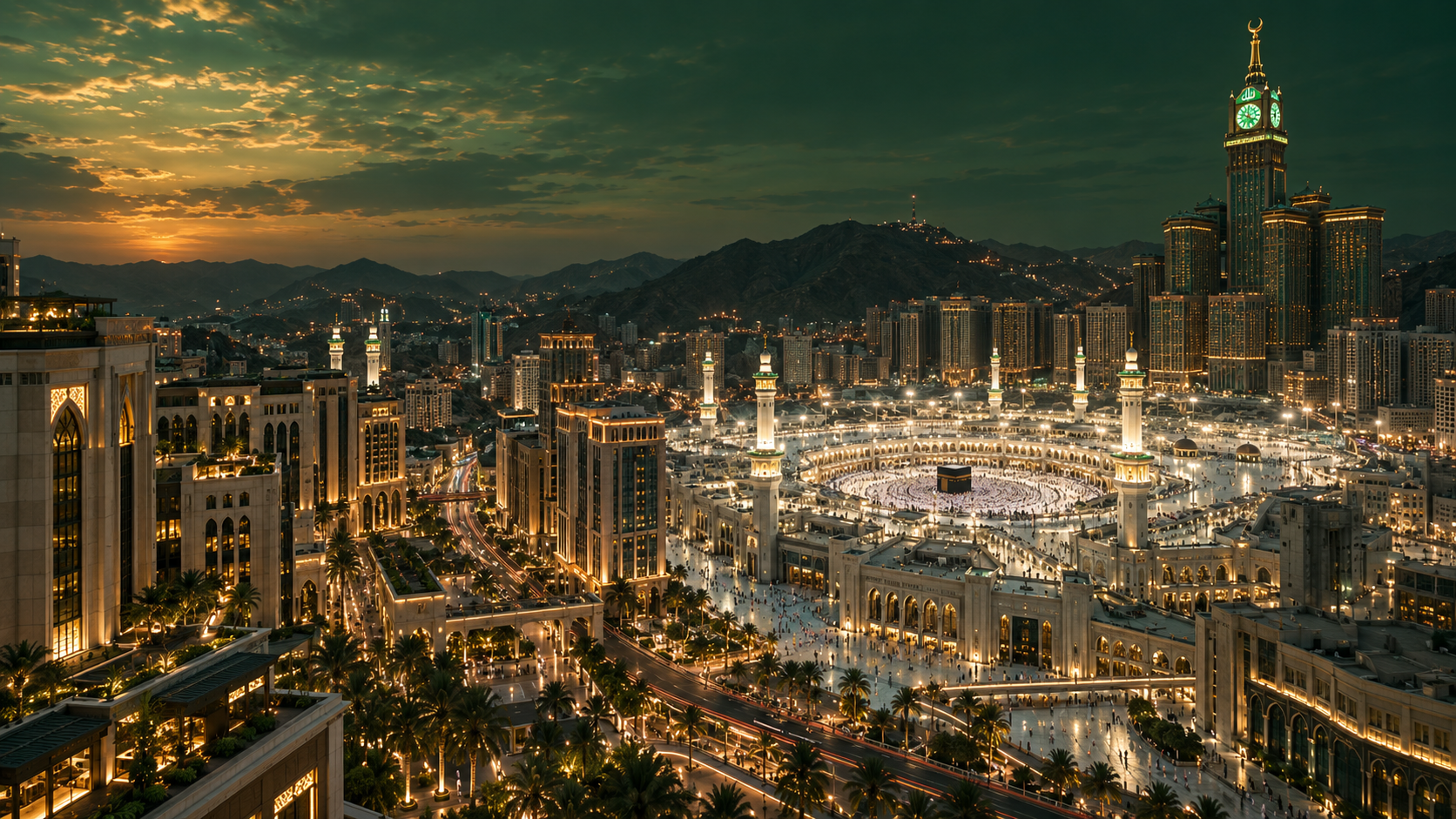
Pilgrimage is an obligation, not a holiday. Visitor numbers hold through the cycles that empty other markets.
Year round
Umrah traffic beneath the seasonal peaks
02
Land that cannot be made
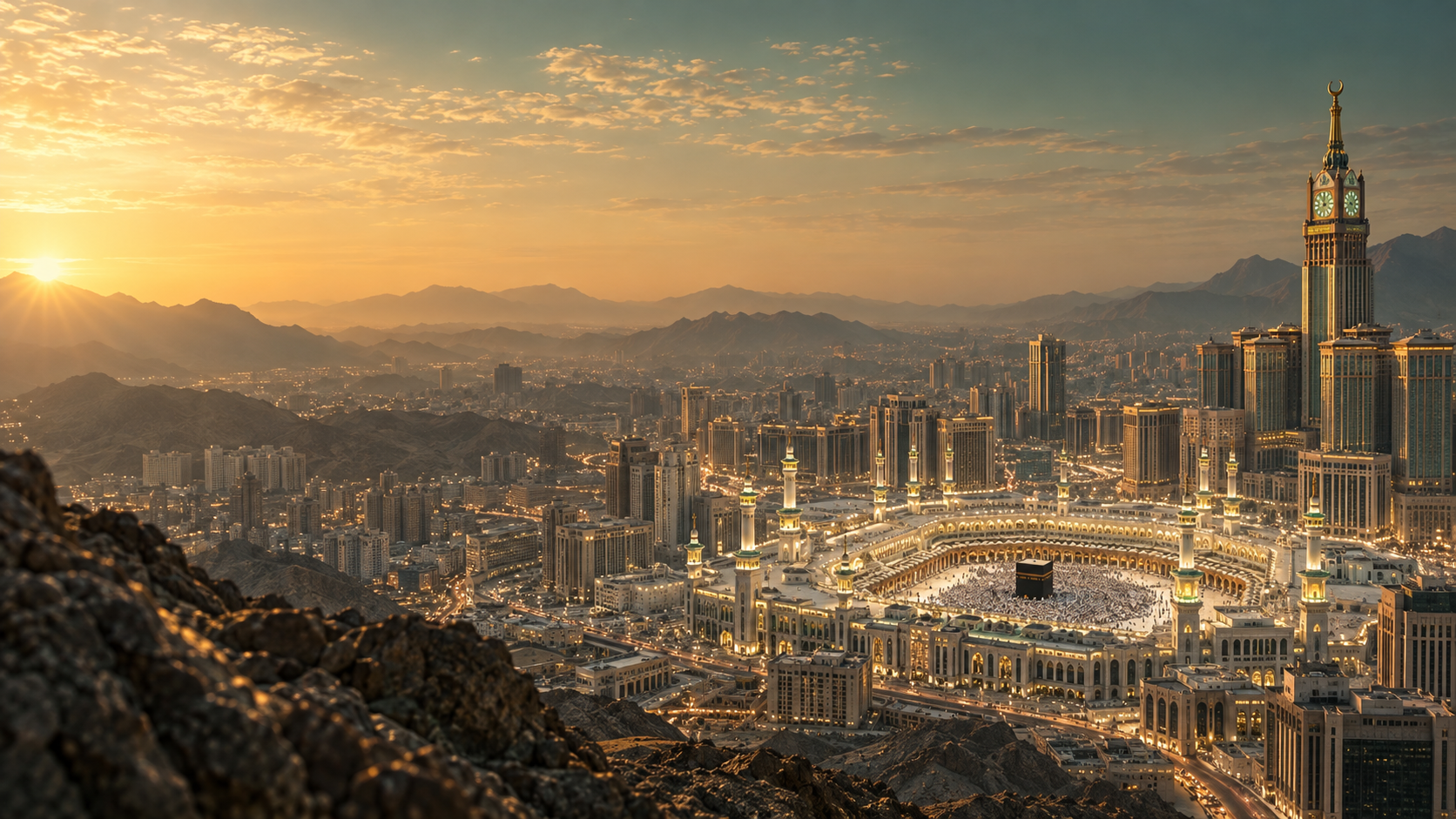
The walkable radius around the Haram is finite and almost entirely built. Scarcity sits underneath every asset we acquire.
1.4 km
Radius within which our assets sit
03
Aligned with Vision 2030
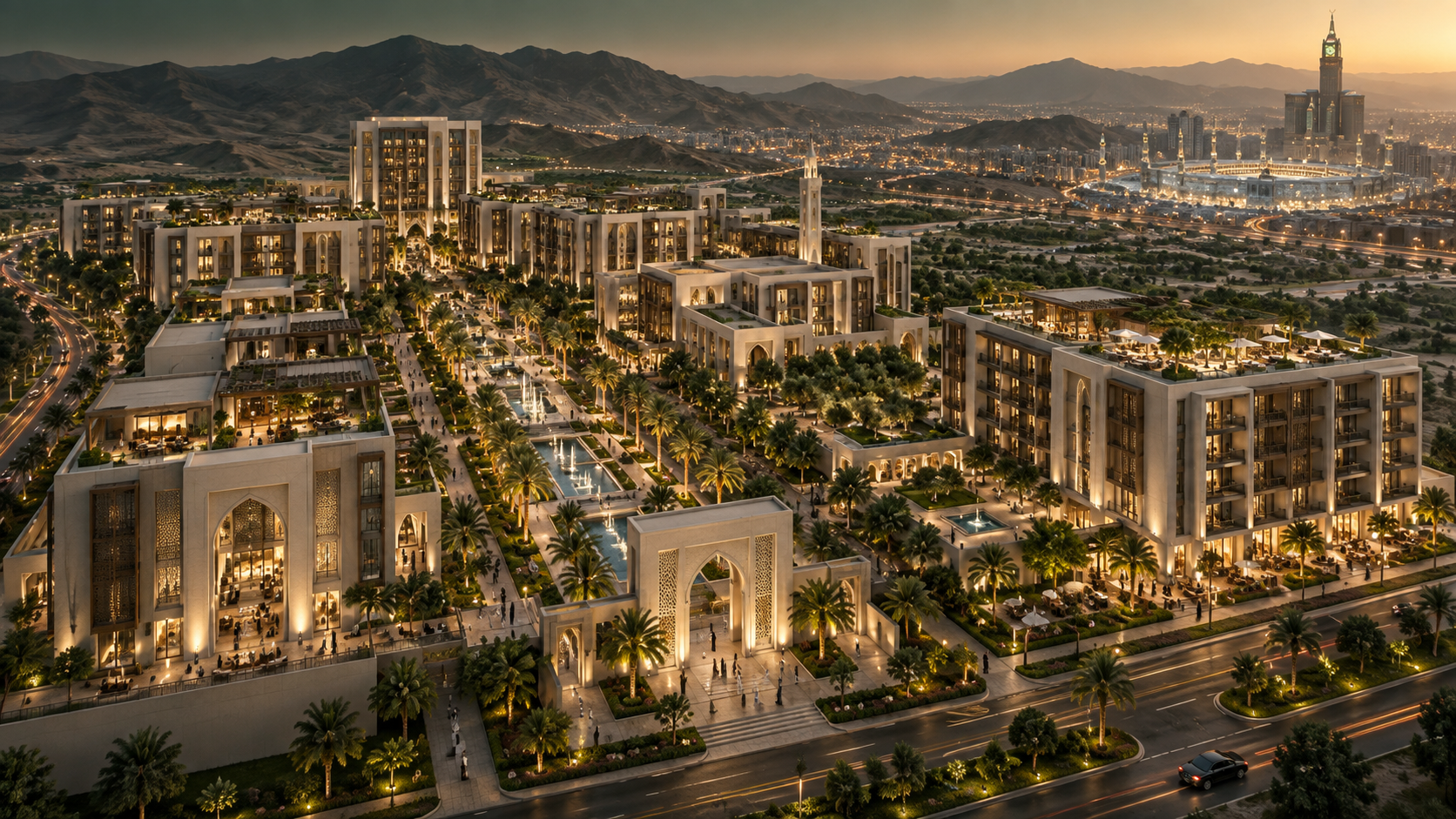
The Kingdom has committed to hosting 30 million Umrah pilgrims a year, and is building the infrastructure to carry them.
30m
Target annual Umrah pilgrims by 2030
04
Yield across the whole year
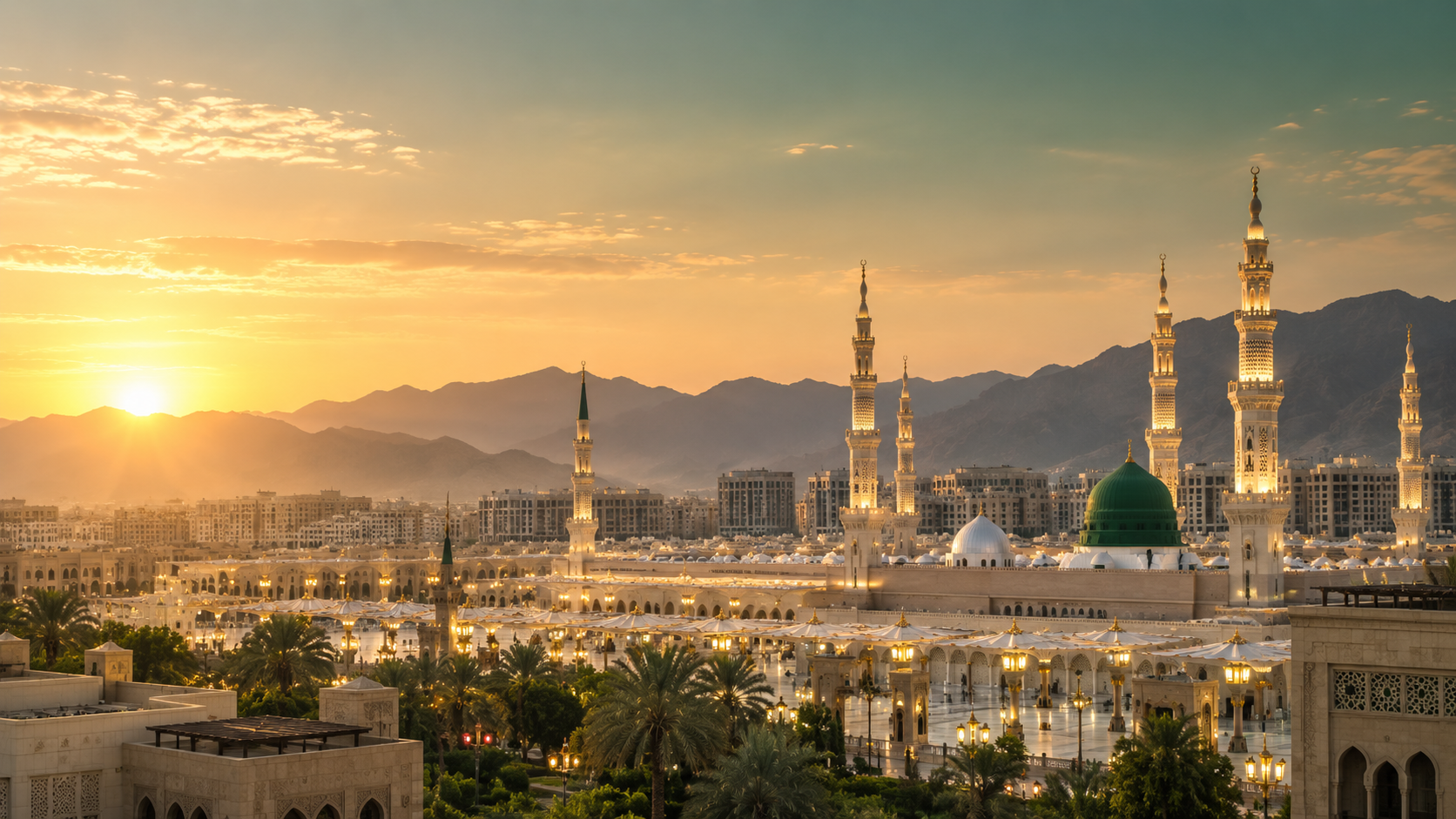
Ramadan and Hajj peaks sit on a floor of Umrah traffic that never stops, so occupancy rarely falls idle.
Two Peaks
Ramadan and Hajj, on a constant base
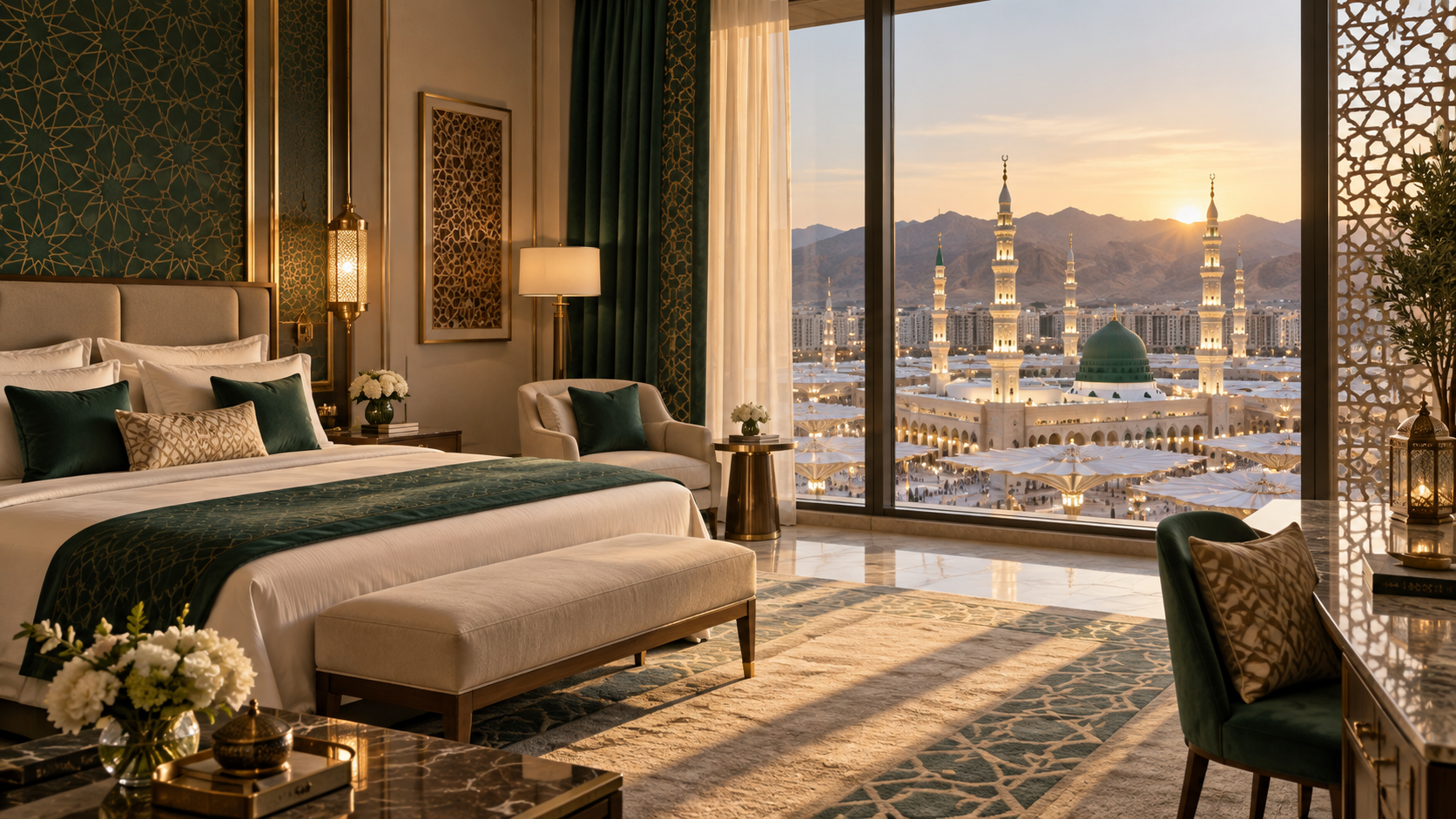
SIDE BY SIDE
Two markets with different rhythms
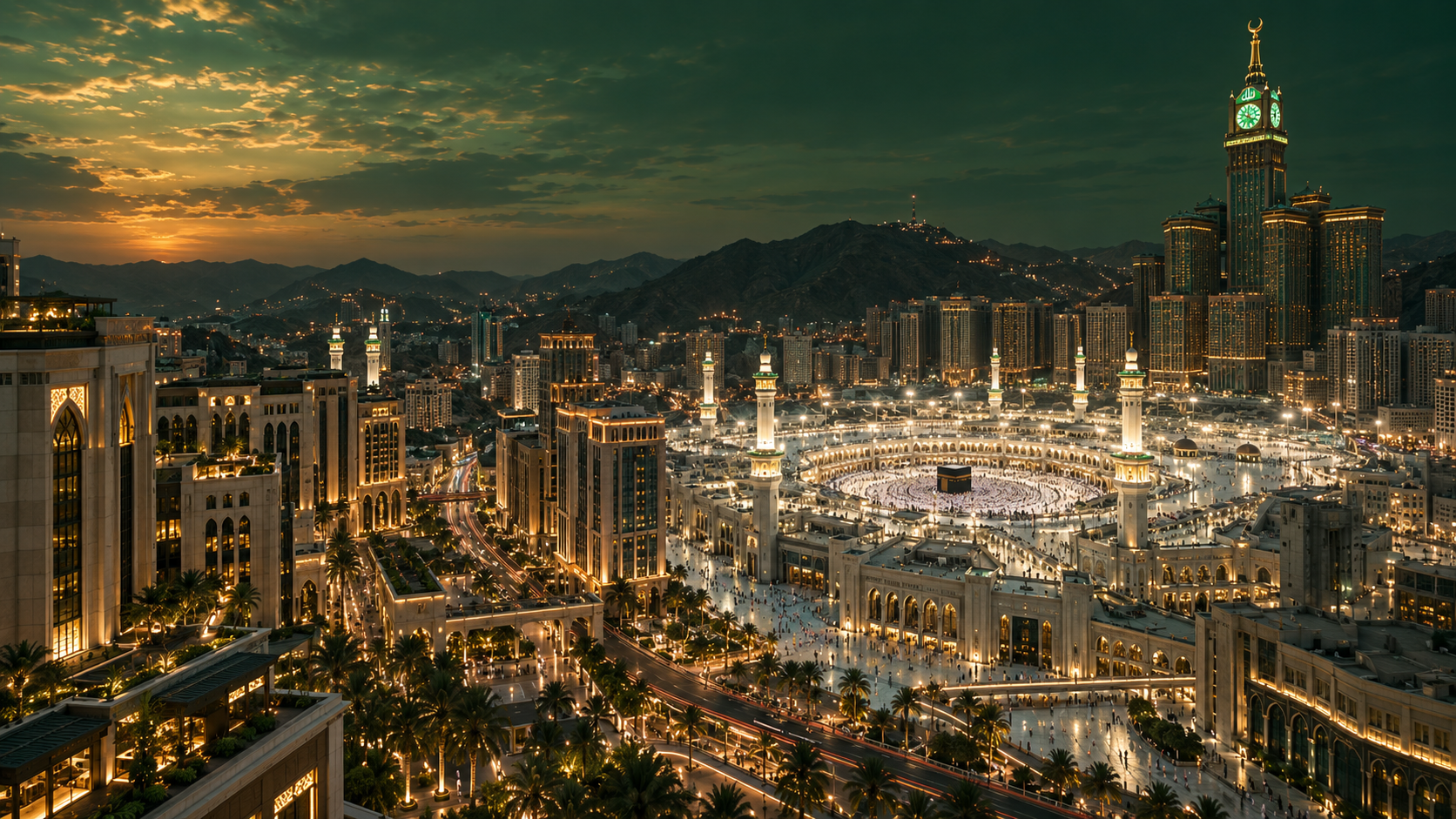
MAKKAH
MADINAH
Capacity is the constraint, never appetite
Umrah is performed year round and Hajj is obligatory once in a lifetime for those able. The result is a demand floor that holds through the downturns which empty leisure markets.
Umrah pilgrims targeted annually by 2030
Makkah to Madinah by Haramain rail
Umrah demand with no closed season
Hajj obligation for those able